

Research area
Recovery research peptides
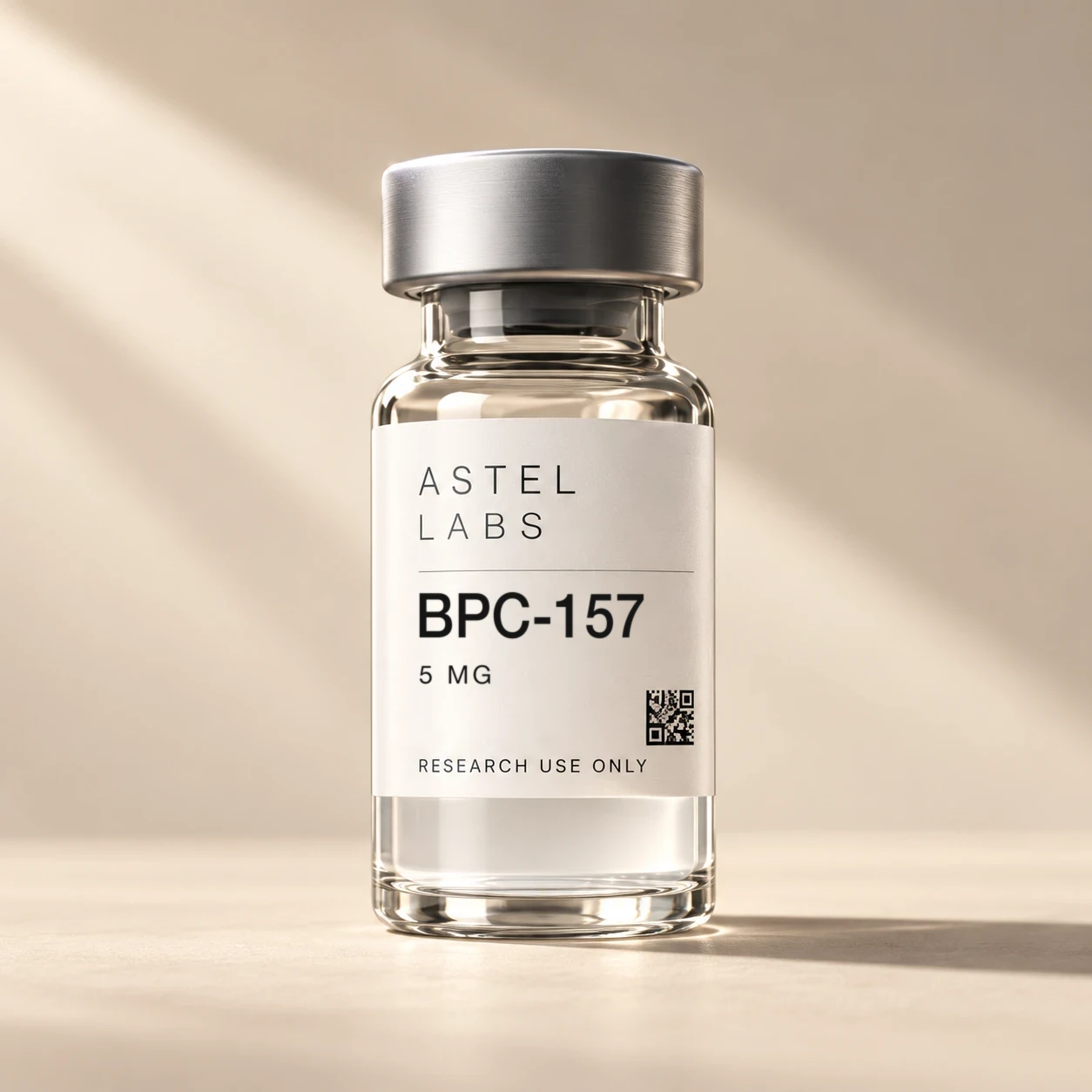
This collection groups the peptides that appear most often in published preclinical research on connective tissue and cell migration. BPC-157 is a fifteen-residue synthetic peptide studied extensively in rodent and cell-culture models; TB-500 is the acetylated actin-binding fragment of thymosin β4, used in actin-dynamics and cell-migration assays; KPV is the C-terminal tripeptide of α-MSH, studied in models of inflammatory signalling.
Pre-mixed blends combine these peptides in a single lyophilised vial, so a laboratory can work from one lot and one certificate instead of combining separate vials. Each component keeps its own product page with its sourced identifiers.
6 compounds in this collection
Compare sizes and prices
| Compound | What it is | Sizes | From |
|---|---|---|---|
| BPC-157 | Synthetic pentadecapeptide with a defined fifteen-residue sequence. | 5 mg, 10 mg | $46.99 |
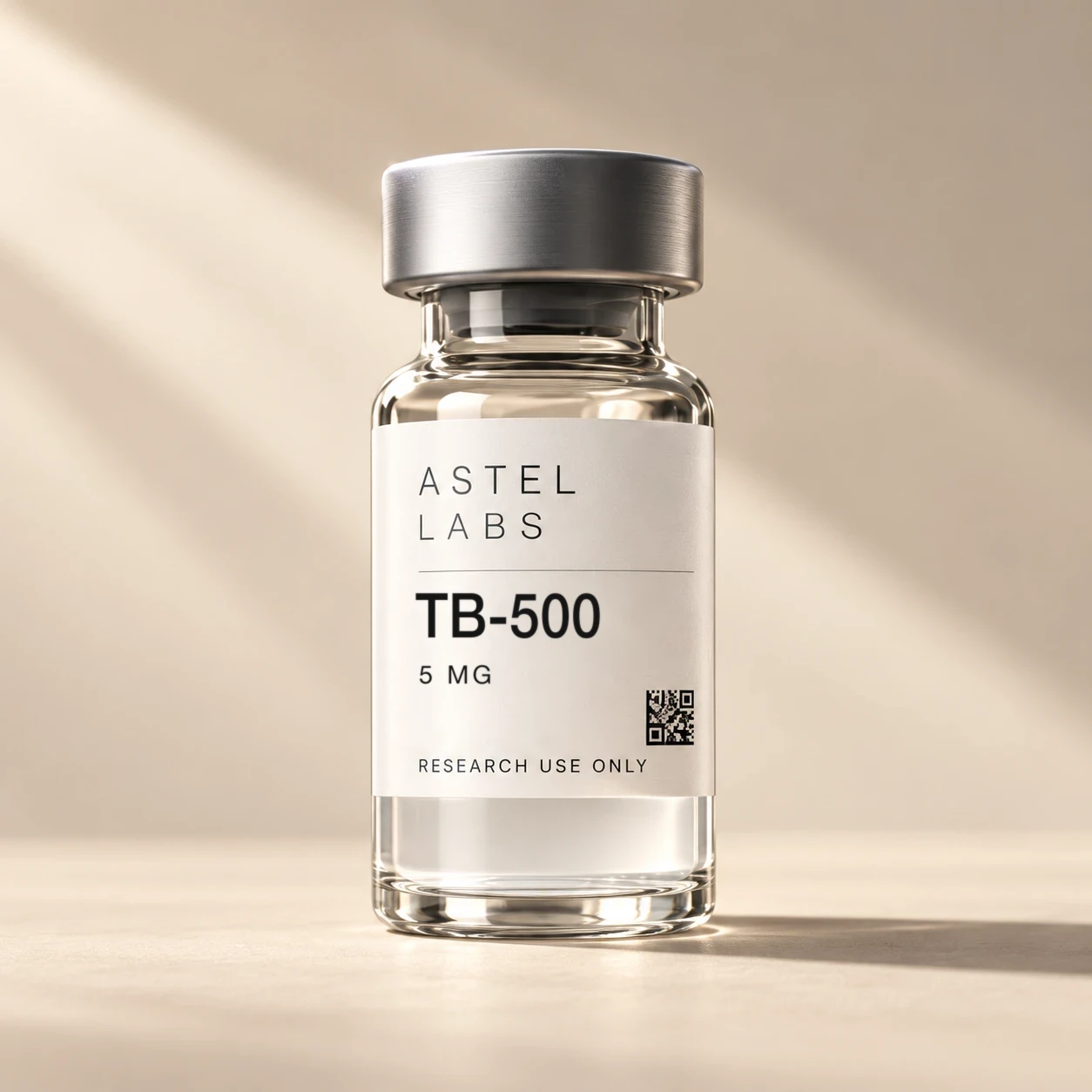
| TB-500 | Synthetic acetylated heptapeptide corresponding to a fragment of thymosin β4. | 5 mg, 10 mg | $41.99 |
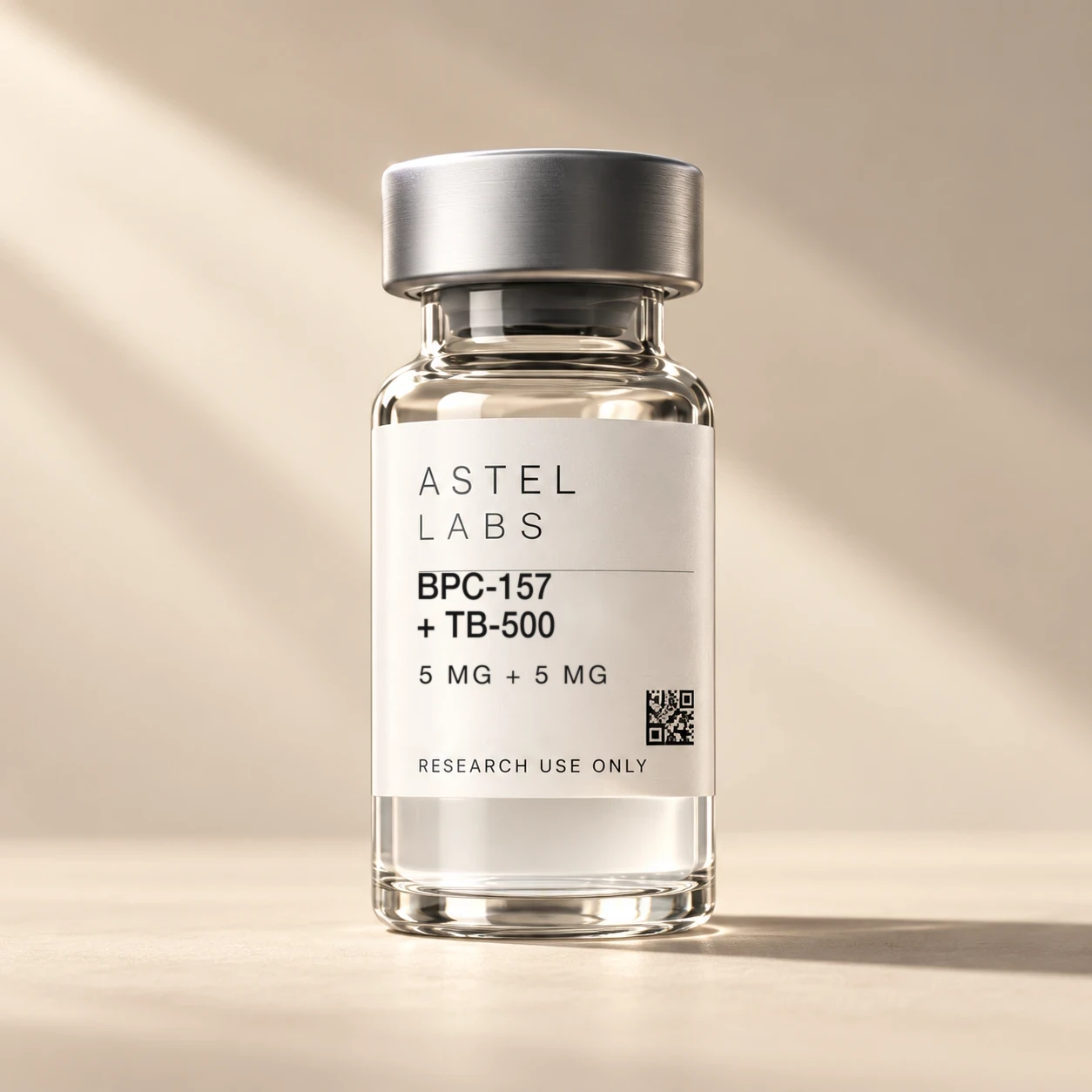
| BPC-157 + TB-500 | Lyophilised mixture of BPC-157 and TB-500 in one vial. | 10 mg, 20 mg | $63.99 |
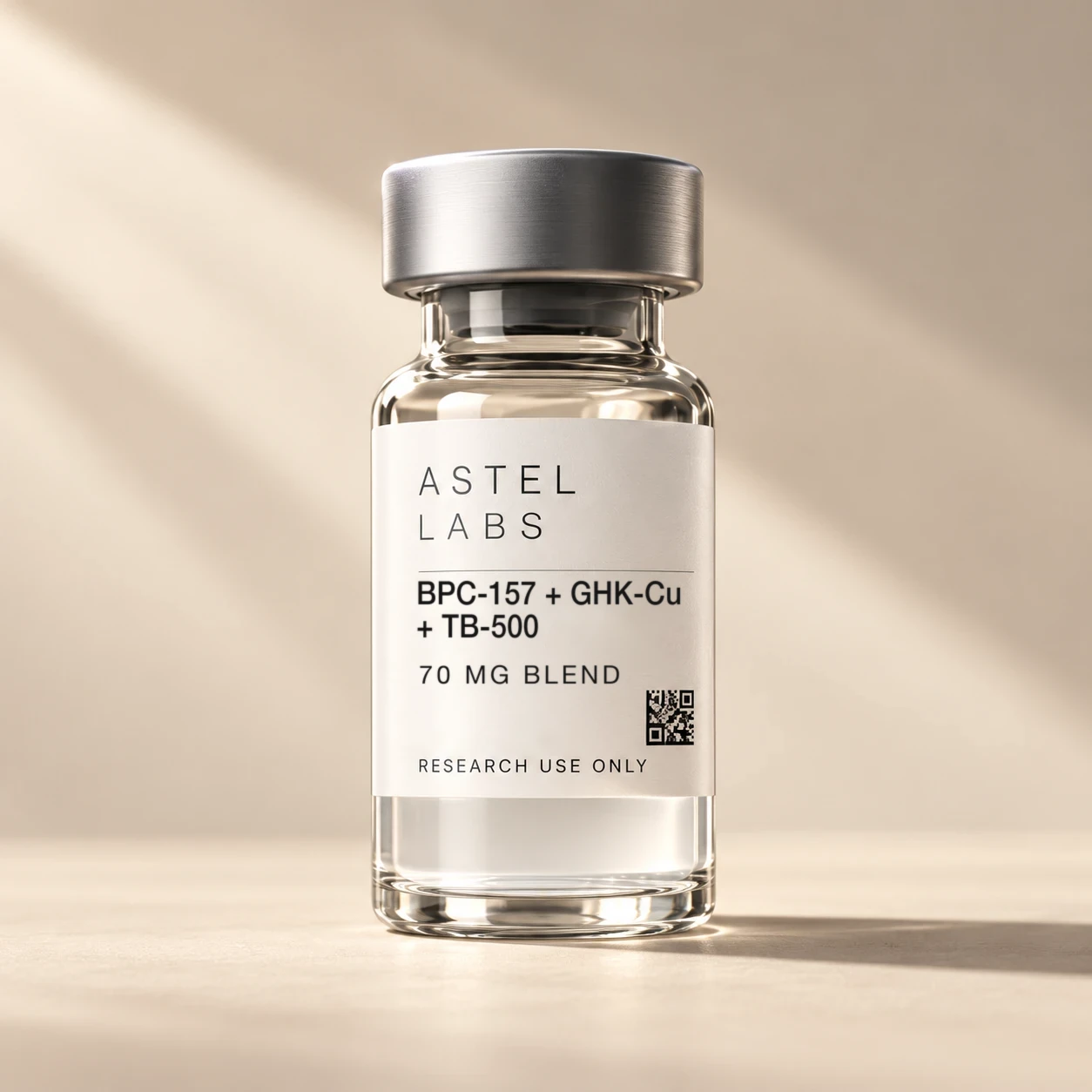
| BPC-157 + GHK-Cu + TB-500 | Lyophilised mixture of BPC-157 (10 mg), GHK-Cu (50 mg) and TB-500 (10 mg) in one vial. | 70 mg | $80.99 |
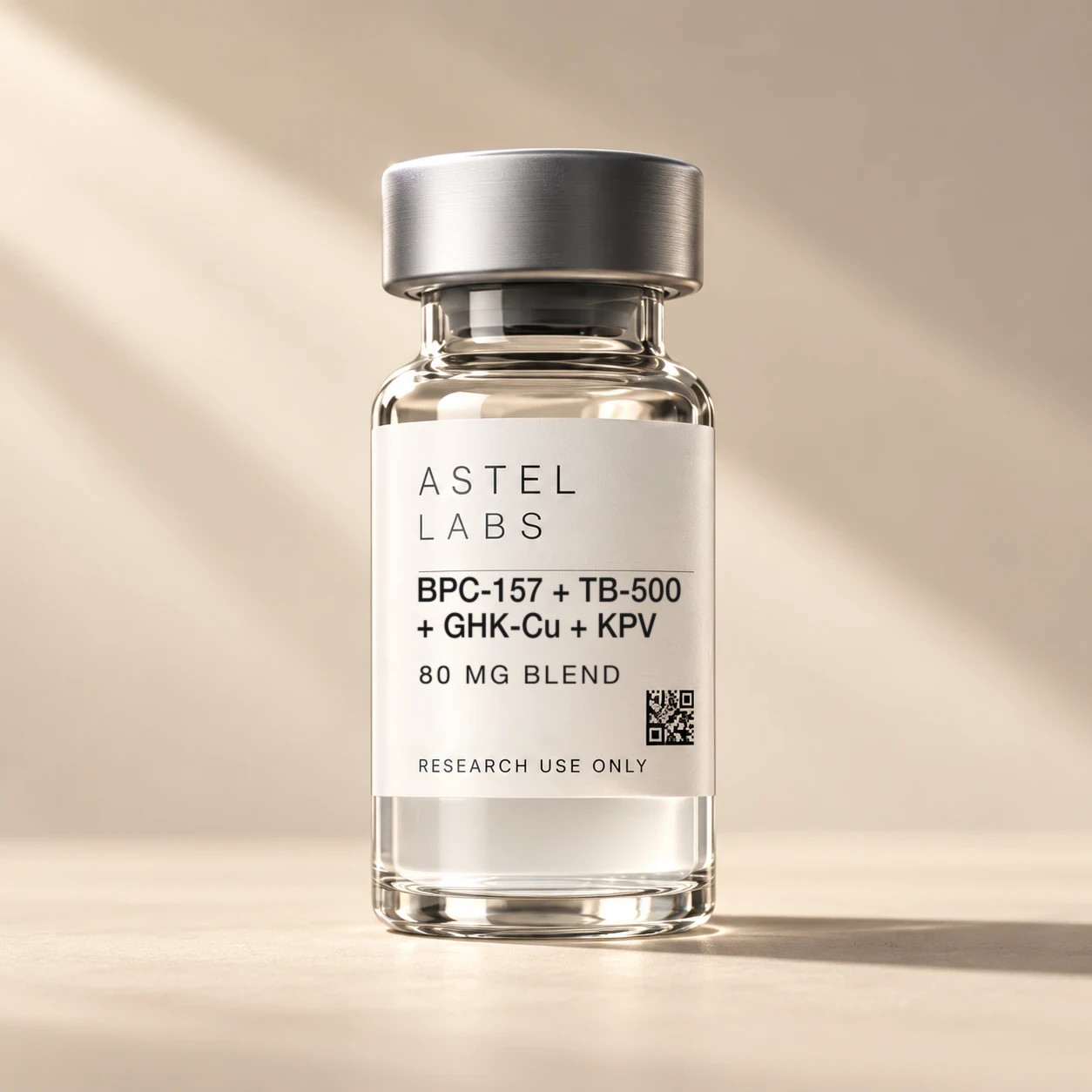
| BPC-157 + TB-500 + GHK-Cu + KPV | Lyophilised mixture of BPC-157 (10 mg), TB-500 (10 mg), GHK-Cu (50 mg) and KPV (10 mg) in one vial. | 80 mg | $94.99 |
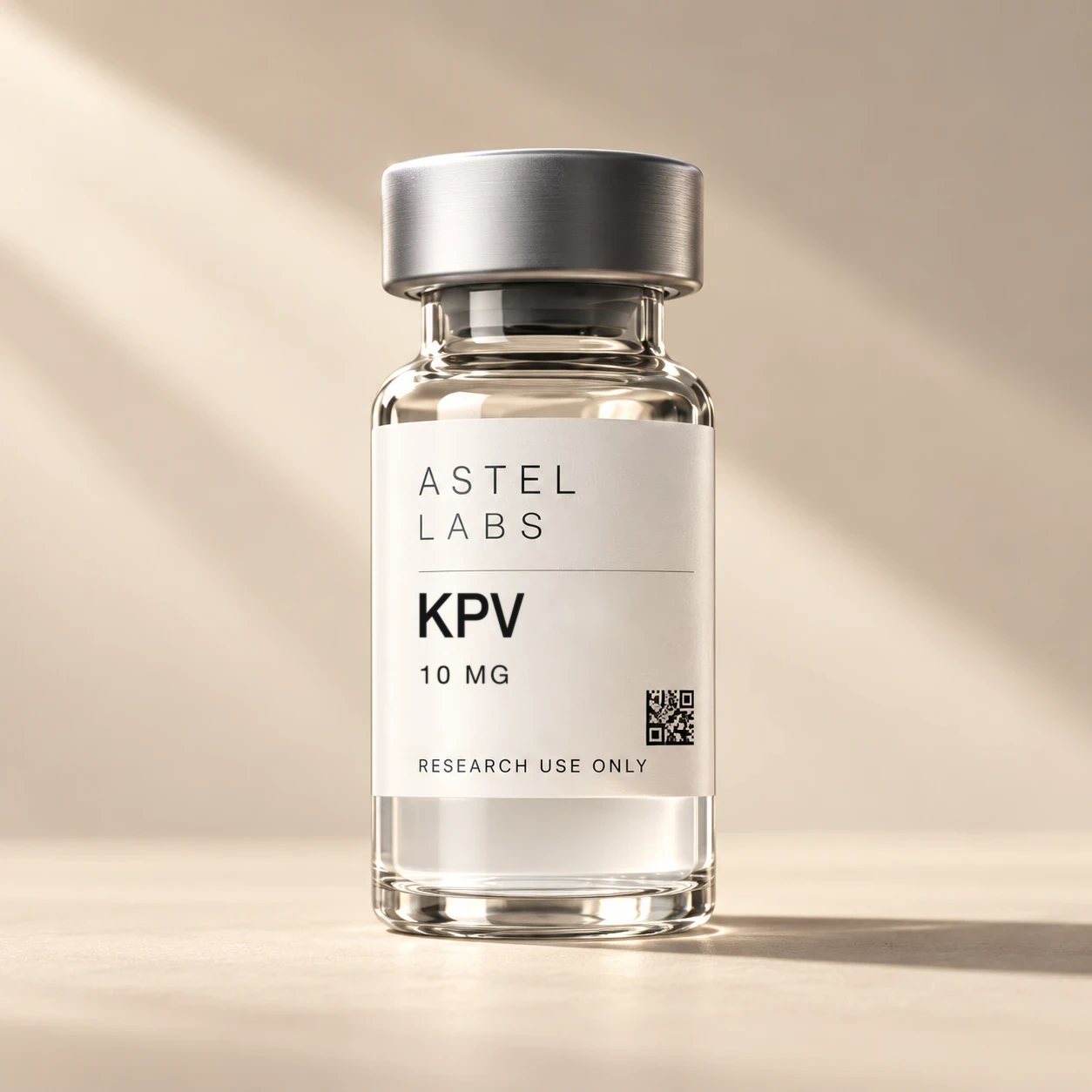
| KPV | Tripeptide Lys-Pro-Val, the C-terminal sequence of α-melanocyte-stimulating hormone. | 10 mg | $54.99 |
Questions
More on ordering and shipping and batch reports.
What is the difference between TB-500 and thymosin β4?
TB-500 is the synthetic N-acetylated heptapeptide Ac-LKKTETQ, a seven-residue fragment of thymosin β4 (residues 17–23, its actin-binding region). Full-length thymosin β4 is a 43-residue protein. They are different substances with different identifiers.
Can recovery peptides be used in people?
No. Every product is sold strictly for in-vitro laboratory research. None is a drug, food, supplement or cosmetic, none is for use in people or animals, and we do not answer questions about amounts, preparation or administration.
Where are the certificates of analysis?
Each vial carries a lot number. Certificates of analysis are published on the batch-report page under that lot number as the testing laboratory issues them. Where a lot has no published report yet, the product page says so rather than showing placeholder results.
Other research areas
For research use only. All products are sold strictly for in-vitro laboratory research. They are not drugs, foods, supplements or cosmetics, are not for human or veterinary use, and have not been evaluated by the FDA. Purchasers must be 21 or older.